
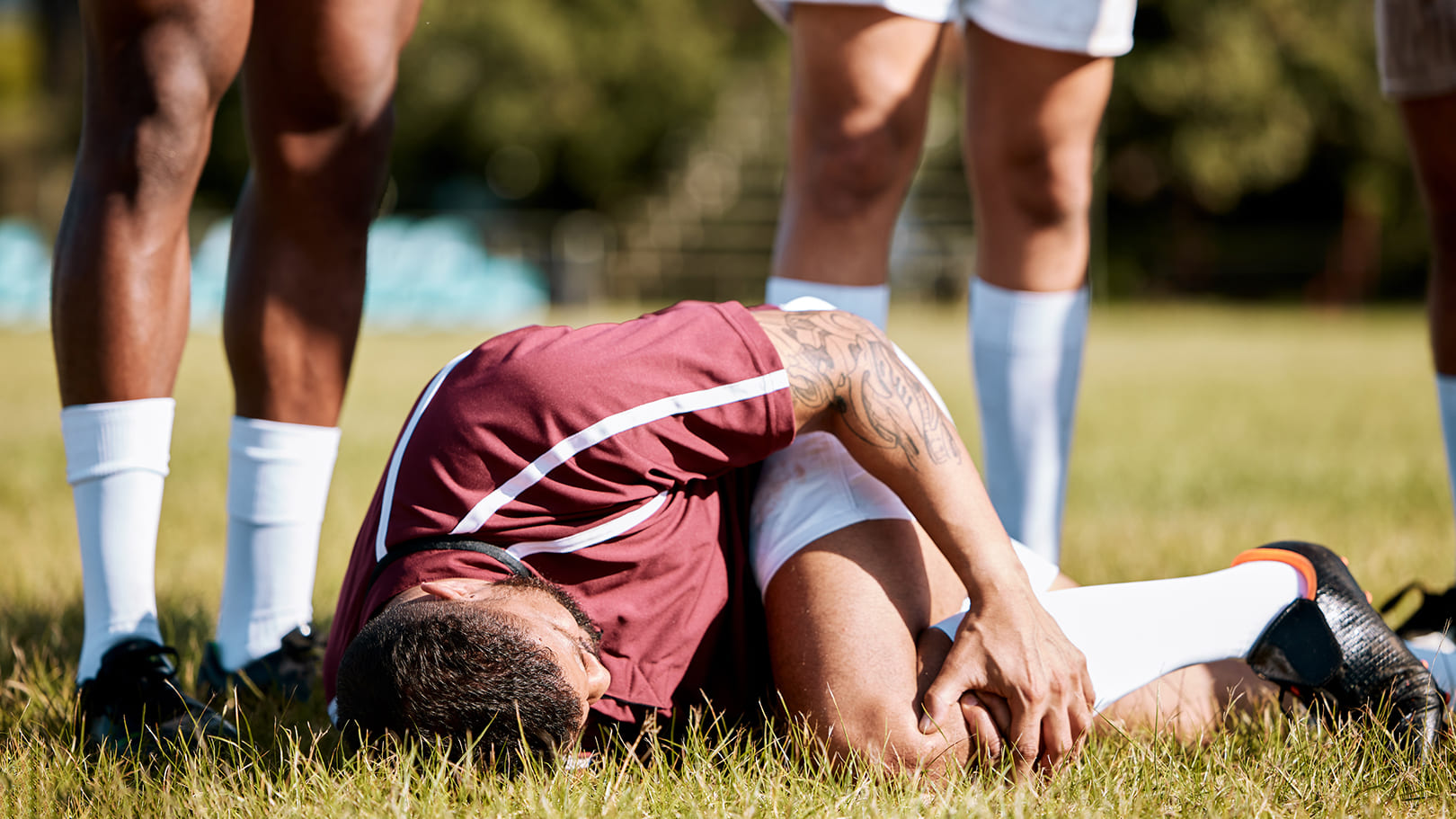
Injuries are an unfortunate part of sport. Whether it’s a rolled ankle, a calf strain or a sore shoulder, knowing what to do next can make a big difference to your recovery.
Can I keep playing?
Maybe.
The first step is to have the injury assessed properly.
Your physio will determine:
- What structure has been injured
- How severe the injury is
- Whether it’s safe to continue playing
- The likely recovery timeline
Some injuries can be managed and monitored throughout a tournament. Others are more serious and require rest to avoid further damage.
The goal is always to balance short-term performance with your long-term health.
Should I avoid telling the physio because they’ll rule me out?
Absolutely not.
Physios are not there to stop you from playing. They’re there to help you make informed decisions.
The earlier you tell your physio about an injury, the sooner treatment can begin and the better your chances of staying on the field safely.
The more information we have, the more effectively we can help.
Why do I always get exercises?
Because exercise works.
Research consistently shows that the right exercise program can:
- Speed up recovery
- Improve strength
- Restore confidence
- Reduce the risk of re-injury
Your exercise program will be tailored to your injury, age, fitness level and sporting goals.
What’s the best way to recover?
Recovery doesn’t have to be fancy.
The biggest drivers of recovery are:
- Sleep and rest
- Good nutrition
- Staying hydrated
- Appropriate training and fitness
Once these basics are covered, strategies like massage, stretching and ice baths may offer some additional benefits.
If you’re injured, don’t ignore it and hope for the best.
Getting the right advice early can make recovery smoother, help you return to sport sooner and give you confidence that you’re doing the right things along the way.
If you’re unsure whether an injury needs treatment, speak to one of our physiotherapists. We’d much rather see you early than see you months later with a problem that’s become harder to manage.
