
Osteoarthritis (OA) is the most common form of arthritis, affecting millions of people worldwide. It occurs when the protective cartilage in your joints gradually wears down, leading to pain, stiffness, swelling, and reduced mobility. OA most often affects weight-bearing joints like the knees, hips, and spine, but it can occur in any joint.
While OA is a chronic condition, physiotherapy offers one of the most effective ways to manage it without surgery or heavy reliance on medication.
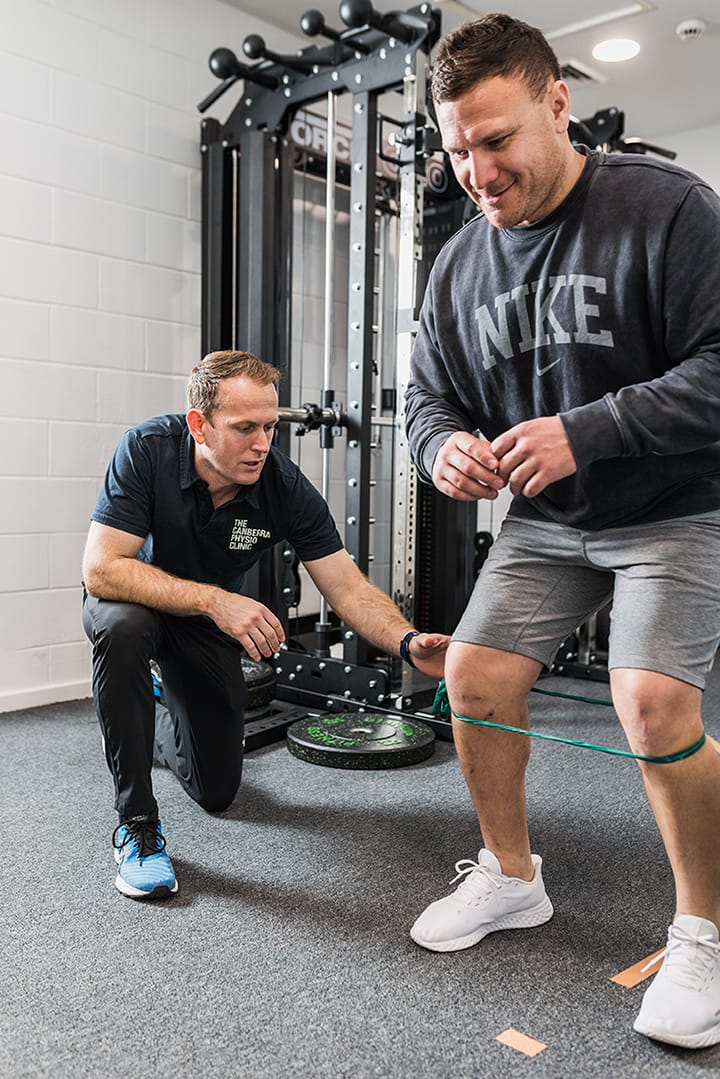
Physiotherapists are specially trained to help you maintain and improve joint health through targeted exercise, education, manual therapy, and lifestyle advice. A physiotherapy program for OA typically begins with a thorough assessment to understand your pain, mobility limitations, and daily challenges.
Treatment may include:
- Strengthening exercises to support the joint and reduce load on painful areas.
- Mobility and stretching routines to maintain range of motion and reduce stiffness.
- Balance and coordination work to improve function and prevent falls.
- Education on joint protection techniques, pacing strategies, and the role of exercise in OA management.
Research shows that people with OA who follow a physiotherapy-guided exercise plan report less pain, better function, and improved quality of life. In many cases, it can delay or even prevent the need for joint replacement surgery.
It’s important to note that movement is medicine when it comes to OA. Avoiding activity due to fear of pain often makes symptoms worse. Physiotherapy helps you move safely, confidently, and with purpose.
If you or someone you know is living with osteoarthritis, consider physiotherapy as a proactive and empowering step forward. Relief is possible—and movement is the key.
 Previous